Quantum: We still have time. Interview with Adam Back, CEO of Blockstream.
Blockstream CEO Adam Back explains why why quantum computing is a manageable, decades-away challenge for Bitcoin.
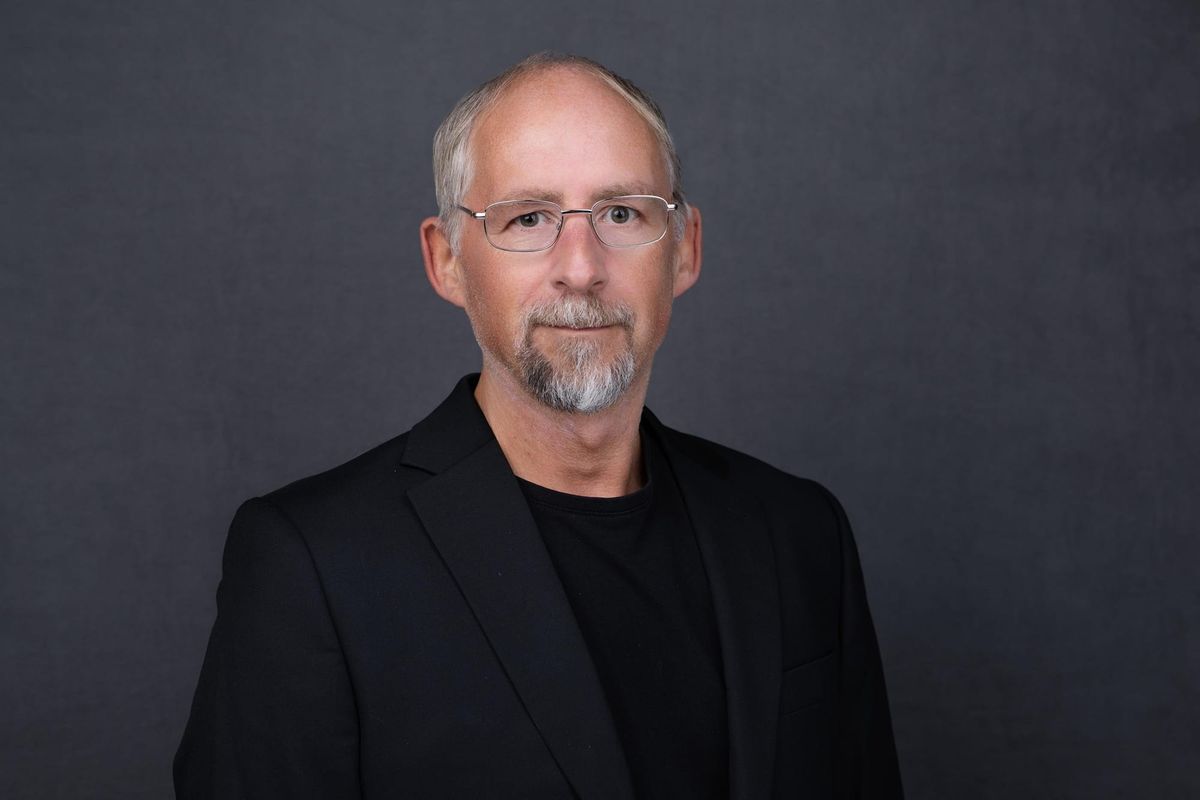
Adam Back, CEO of Blockstream on the Institutional Future of Bitcoin: Infrastructure, Quantum Readiness and the Next Wave of Adoption.
Adam, Could you give us an overview of Blockstream?
Blockstream has been around since 2014. It’s a Bitcoin infrastructure company. We build software, hardware and protocols: hardware and software wallets for consumers; Layer 2s such as Lightning for retail payments and Liquid for settlement and asset transfers; and HSMs and wallet technology for enterprises and custodians.
How have institutional demand and infrastructure changed in recent years?
It’s only more recently that custodians, banks and enterprises have shown more interest in Bitcoin. For some years, the focus was on retail: consumer hardware wallets, software wallets and Lightning. Now we’re seeing more demand for Layer 2s focused on asset issuance, tokenization and Bitcoin in the enterprise.
Where is there still room for improvement?
The enterprise and custody use cases are relatively new for Bitcoin. There’s room to improve security and ease of use, and to integrate into more of the enterprise software environment.
Looking ahead ten years, what might be the most important institutional adoption of Bitcoin?
So far, ETFs have been a way for institutions to make Bitcoin available to end users, along with some related financial instruments. But they’re not very deep integrations. They provide financial access without technology access.
I think it’s interesting to have technology that lets users get some assurances for the bearer asset while benefiting from bank-related and financial services.
What brings you to Switzerland, and why is this region important for blockchain?
Switzerland is quite far ahead in regulations for Bitcoin-related use cases. Many Swiss banks have provided, or are working on providing, Bitcoin-related services and tokenization, and using blockchain in their infrastructure.
Have launch or announcement to make? Reach out to The Next Vertical Team for collaboration.
How do you see quantum technology shaping the future of blockchain?
Bitcoin has the capability to add new signature types. It added Schnorr signatures in 2021, and there are quantum-secure signature algorithms. The technology for quantum computers is still some time away—probably decades. There’s time to optimize post-quantum signature algorithms and integrate them into Bitcoin.
People could prepare to be quantum-ready some time before it becomes a reality. There’s still a lot of fundamental physics research to do before quantum computers are scaled enough to challenge Bitcoin transaction security.
Where do you see Bitcoin in five years?
I think we’ll see more adoption. In the past, people might have been surprised that many banks were interested in Bitcoin. That happened faster than people thought. We may see more sovereigns and nation-states doing things with Bitcoin, whether that’s a Bitcoin reserve or something else.
I also think the next wave of adoption may be indirect, through asset management. Most people don’t manage their own portfolios. For them, adoption may mean a pension fund or a mutual fund holding Bitcoin as part of their savings.